A1 Nashville Locksmiths Service Team
Local locksmith team
Jul 10, 2026 12 min read
Long before smartphones, smart locks, or mobile service vans, there was a craftsman bending over a forge, shaping iron into something that could protect everything a family owned. The locksmith trade is one of the oldest skilled professions in human history — and tracing its arc from hand-hammered warded locks in ancient Egypt to today's transponder key programming reveals just how much the job has always been about one fundamental promise: keeping the right people in and the wrong people out.
At A1 Nashville Locksmiths, we think that history matters — not as a museum piece, but as context for the craft our team practices every day across Nashville, from the Gulch to Germantown, from Green Hills to the neighborhoods tucked off Nolensville Pike. Whether you have locked yourself out of the house on a Tuesday morning or need a commercial rekeying job done before your business opens, understanding what locksmiths have always done helps you understand exactly what to expect when you call us at (704) 850-6756.
## What Did Locksmiths Usually Do? The Ancient Craft Behind Every Modern Key
The earliest evidence of lock mechanisms dates back roughly 4,000 years to ancient Egypt and Mesopotamia. These were large wooden pin-tumbler devices — essentially a bolt held in place by wooden pins that dropped into holes, lifted only by a correspondingly shaped wooden key. They were crude by today's standards, but the logic was identical to the spring-loaded pin stacks inside the Schlage or Kwikset deadbolt on your front door right now. Roman metalworkers improved on the concept dramatically, miniaturizing locks into iron and brass so that wealthy citizens could carry keys on their fingers as rings — a status symbol as much as a security tool.
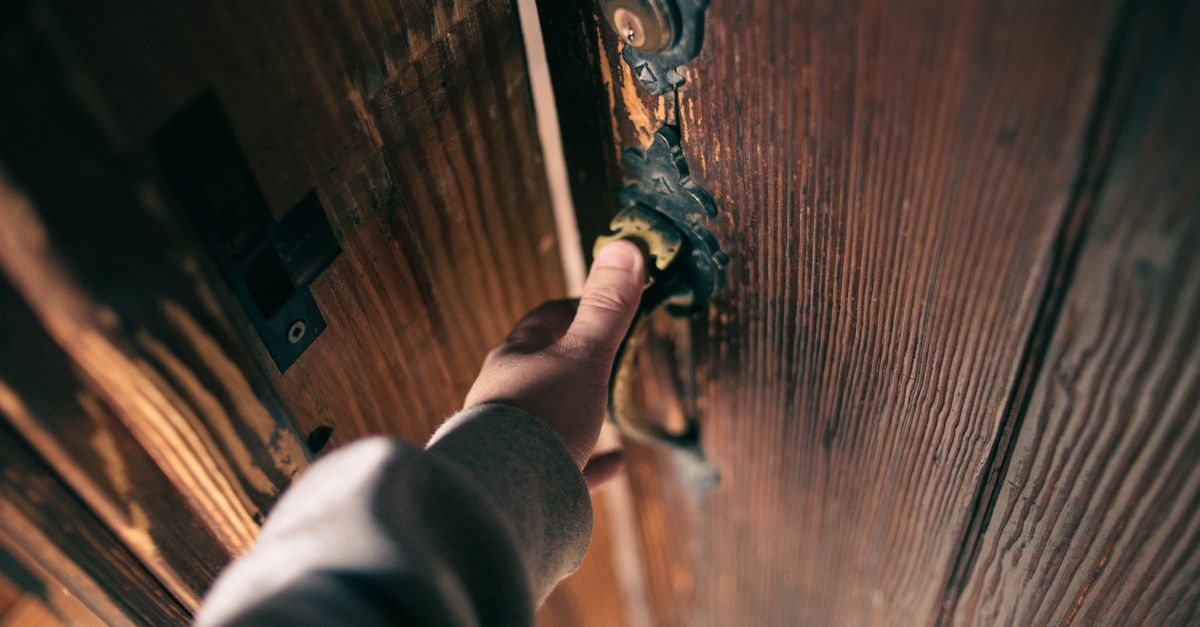
During the Middle Ages and into the Renaissance, European locksmiths became highly regarded artisans. The mortise lock — a lock body set into a precisely chiseled pocket, or mortise, cut into the edge of a door — emerged as the dominant design for serious security. Installing a mortise lock correctly required woodworking skill, metalworking precision, and an intimate knowledge of how wood moves with humidity and age. A quality mortise lock on a heavy timber door was considered state-of-the-art protection for centuries, and the design is still widely used today in commercial buildings and historic Nashville homes that predate the post-war door-knob-lock era. When our team services a mortise lock in one of Nashville's older properties near the historic districts downtown, we are performing essentially the same craft diagnosis those guild-trained smiths did — understanding how the chassis interacts with the door frame, why the bolt is binding, and what the fix actually requires.
## What Tools Do Locksmiths Use? From Forge to Field Kit
For most of locksmithing's history, the primary tools were fire, hammer, and file. A smith would forge a lock body, hand-cut the keyway, and file tumblers to the precise tolerances that made each lock unique to its owner's key. The craft demanded the kind of tactile sensitivity that takes years to develop — knowing by feel when a tumbler was set, when a spring had the right tension, when a mortise lock's case was square in its pocket. Those same principles of sensitivity and diagnosis carry forward into the field kits our technicians use today.
A modern mobile locksmith's toolkit is a fascinating hybrid of old-craft judgment and new technology. On the mechanical side, it includes plug followers, key gauges, plug spinners, cylinder extractors, and a full range of picks and tension tools used in non-destructive entry — techniques applied only after verifying the customer's right to access the property. On the automotive side, the toolkit expands to include key cutting machines capable of cutting high-security laser-cut keys by code, as well as OBD-II diagnostic interfaces and transponder programming devices that communicate directly with a vehicle's immobilizer system. For a locked-out-of-the-house call, the field kit also includes a variety of shim tools, air wedges for creating working space without damaging frames, and bypass tools appropriate to the specific lock type. The tools change; the diagnostic mindset does not.
## The Rise of the Emergency Locksmith and the Door Knob Lock Era
The Industrial Revolution changed locksmithing the same way it changed every skilled trade: it separated manufacturing from service. By the mid-1800s, mass-produced pin-tumbler cylinders — refined by inventors working in factories rather than forges — made locks affordable for ordinary households. The door knob lock became a standard residential fixture across America by the early twentieth century, cheap to produce and easy to install. For the first time, virtually every home had a keyed entry point, which meant virtually every homeowner eventually faced the experience of being locked out of the house.
That new reality created a new kind of locksmith: not the manufacturer, but the responder. The service locksmith, called to a job site to open, repair, or rekey whatever lock a customer had, became the dominant model of the trade by the mid-twentieth century. Shop-based locksmiths were common in commercial districts — Nashville's own growth as a regional hub through the mid-1900s supported a healthy population of them along Second Avenue and the areas now recognized as part of the broader downtown corridor. But shop-based service had a hard limit: it required the customer to come to the smith, or the smith to make a special trip. The idea of a dedicated emergency locksmith — one whose entire business model was rapid response, any time, anywhere — was still evolving. If you find yourself thinking 'I locked myself out of the house and I need help right now,' that very expectation of immediate, mobile response is a genuinely modern invention, and it is exactly what we deliver.
## Commercial Locksmith Work, Transponders, and the Digital Turn
By the latter half of the twentieth century, commercial locksmith work had grown into its own discipline. Master key systems for office buildings, panic hardware for emergency exits, high-security mortise lock installations for businesses handling cash or sensitive materials — these required a level of system design thinking that went well beyond opening a stuck door. A commercial locksmith working on a Nashville office building or retail space near Music Row or in the businesses clustered around the Cumberland River waterfront needed to understand access hierarchy: who should be able to open which doors, under what conditions, with what kind of audit trail.
Then came automotive technology that rewrote the trade again. Transponder keys — introduced on American vehicles in the mid-1990s as a theft deterrent — contain a tiny microchip that must broadcast the correct encrypted signal to the car's immobilizer module before the engine will start. A cut key that looks identical to the original will open the door but the engine will not turn over without the programmed chip. This single innovation pushed locksmiths into computer technology. Our technicians program transponder keys for a wide range of vehicle makes and models, a service that once required a dealership visit and now happens in your driveway. The same shift is happening with smart locks and keypad deadbolts on residential doors — our team installs, programs, and troubleshoots these systems just as fluently as we handle a vintage mortise lock in a 1920s craftsman bungalow. For any automotive or residential situation, call (704) 850-6756 and we will dispatch a skilled technician to your location, confirm an exact up-front price based on the lock or vehicle type, time of day, travel distance, and any parts required — and then get to work.
## What Companies Are Headquartered in Nashville, Tennessee? The Local Context for 24-Hour Residential Locksmith Services
Nashville is home to major corporate headquarters across healthcare, logistics, and entertainment — HCA Healthcare, Bridgestone Americas, and Dollar General all call the Nashville area home, which means the city blends corporate-scale commercial security needs with a dense and growing residential base. That mix is exactly why a versatile, 24-hour residential locksmith service matters here more than in many comparable cities. A suburban homeowner in Brentwood and a property manager overseeing a Midtown apartment complex have very different needs, but both need a team that can handle a mortise lock, a Kwikset SmartKey deadbolt, a door knob lock replacement, a car lockout, and a commercial access control system with equal competence.
A1 Nashville Locksmiths operates as a fully mobile, 24/7 service because Nashville does not operate on a nine-to-five schedule — and neither do lock problems. The Grand Ole Opry draws visitors at all hours. Broadway's honky-tonk district keeps people out late. And anyone who has ever locked themselves out of the house at 2 a.m. knows that the hour has no bearing on the urgency. Our technicians are insured, experienced, and dispatched from within the Nashville area so response times stay genuinely short. We verify ownership before any entry work begins — a standard professional practice that protects you as a legitimate property owner just as much as it protects the security of the community. The services our team provides span more than two dozen distinct specialties: residential lockout service, commercial lockout service, car lockout service, mortise lock installation and repair, door knob lock replacement, deadbolt installation, master key system design, lock rekeying, high-security lock upgrades, Schlage lock service, Kwikset lock service, transponder key programming, laser-cut key duplication, key fob replacement and programming, ignition repair and replacement, broken key extraction, lock cylinder replacement, panic bar and exit device installation, access control system installation, electronic keypad lock setup, safe opening and combination changes, mailbox lock replacement, garage door lock service, window lock installation, and sliding door lock repair. Whatever the job, we confirm your price before any work begins — no surprises.
## If You Are Locked Out of the House Right Now — Here Is What to Do First
Before you call anyone, run through a quick, safe checklist. Check every door and window you know to be accessible — not to force anything, but to confirm what is actually open. Reach out to a family member or trusted neighbor who may have a spare key. If you share the home with a partner and are thinking 'my husband locked me out of the house' or 'my wife locked me out of the house,' clarify the situation calmly and confirm who has access to the spare. If you are renting, your property manager may have a key on file and a faster response than you expect.
If none of those routes work — and they often do not, especially in the middle of the night — call a professional. Do not attempt to force a window or credit-card a lock; these techniques either damage your property, damage the lock, or simply do not work on modern hardware. A trained locksmith arrives, verifies that you are the resident through a quick ownership check (a piece of mail, your ID matching the address, a lease agreement), and opens the door non-destructively in most cases. The price you pay depends on the lock type, the time of the service call, the travel distance, and whether any parts need replacing — and you will know the exact number before we touch anything. Call (704) 850-6756 any time — we answer 24/7 and can typically tell you an estimated arrival window the moment you hang up.
Frequently asked questions
How much do locksmiths charge per hour, and how is the final price determined?+
Locksmiths typically do not bill strictly by the hour the way a plumber might — instead, most jobs are quoted as a flat service call that reflects several factors: the type of lock or vehicle involved, the time of day (overnight and weekend calls carry a higher rate), the travel distance to your location, and whether any parts — new cylinders, keys, or hardware — are needed. At A1 Nashville Locksmiths, we confirm your exact price before any work begins, so you are never looking at a surprise charge when the job is done. The best way to get an accurate number is to call (704) 850-6756 and describe your situation — we can usually quote you on the spot.
I locked myself out of the house — is it safe to try to get back in on my own?+
The safest first steps are always non-invasive: check for an unlocked back door or ground-floor window you can open from outside without damaging it, contact a family member or neighbor with a spare key, or call your landlord if you rent. What you should avoid is attempting to pick the lock without training or forcing a window with a tool — both approaches risk damaging your lock or door frame, and modern pin-tumbler and mortise lock designs are specifically engineered to resist the amateur techniques most people know. A professional technician can open most residential locks non-destructively in minutes, verify your identity as the resident first, and advise you on whether a rekey or hardware upgrade makes sense afterward.
What is a mortise lock, and does my Nashville home likely have one?+
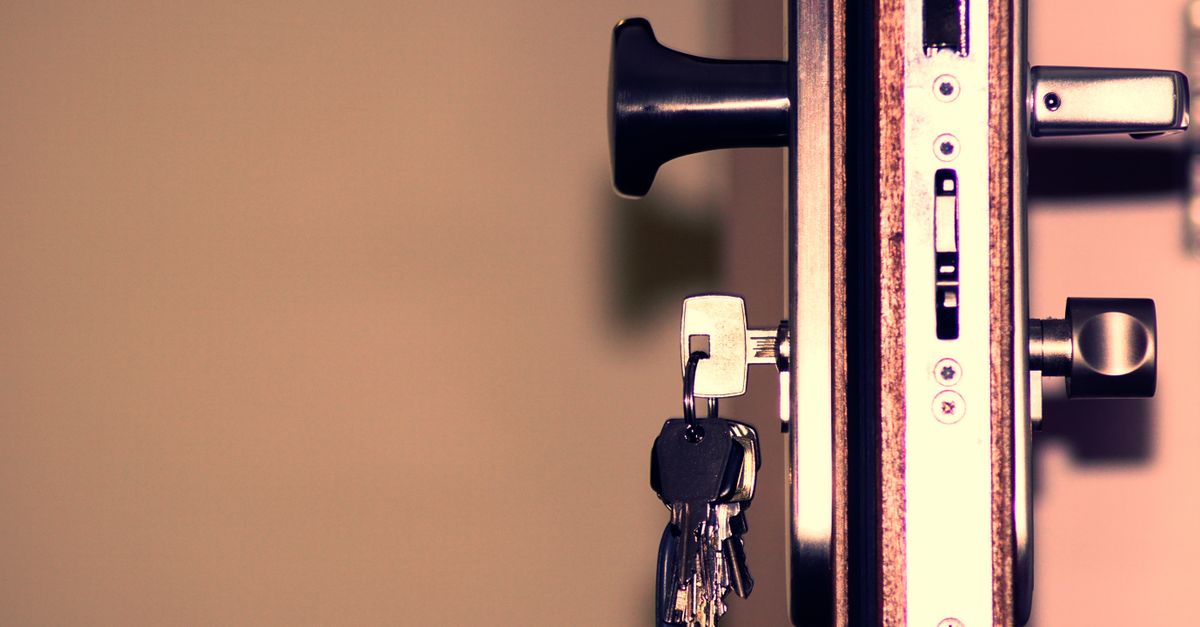
A mortise lock is a lock mechanism that sits inside a rectangular pocket — the mortise — chiseled into the edge of a door, rather than a cylindrical lock that fits through a round bore hole. Mortise locks are recognizable by their larger, rectangular face plate and the fact that they typically house both the latch and the deadbolt in one integrated unit. They are common in commercial buildings and in older residential properties — if your Nashville home predates the 1960s, there is a reasonable chance it has at least one original mortise lock, particularly on an exterior front door. They are extremely durable and often repairable rather than replaceable, which is why our technicians specifically carry parts and expertise for mortise lock service.
What should I expect when an emergency locksmith arrives at my home or car?+
When our technician arrives, the first step is always a brief ownership or authorization check — this typically means showing an ID that matches the address, a piece of mail, a lease, or a vehicle registration. This step protects you as a legitimate property owner and is standard professional practice. After verification, the technician will assess the specific lock or situation and confirm the final price before doing any work. For most residential lockouts involving a standard deadbolt or door knob lock, non-destructive entry is straightforward. Mortise locks, high-security cylinders, and certain automotive situations may take longer depending on the complexity. You will be informed of the approach and timeline upfront, and the goal is always to avoid any damage to your door, frame, or vehicle.